I lived on a boat for 3 years so my business could have a chance...
Let’s start at the very beginning (a very good place to start, apparently).
A few years ago, I decided to ditch my relatively well-paid, relatively stable, and relatively corporate job — almost overnight. The usual reasons: backstabbing office games, Geoffrey (non-stop) eating smelly food next to my computer, existential dread, noise, gossip, and a general lack of tolerance for antisocial twats (aka introverts) who just wanted to do their job and be left alone...

That ‘overnight decision’ had been foreshadowed by months of crying in the office toilets and a generous helping of panic attacks.
I handed in my resignation letter with the trembling grace of someone handing back a library book that’s three years overdue and possibly cursed... and started my own business — out of a shipping container. Yes, you read that right.
At the time, my studio was in a creative village made out of repurposed shipping containers. Very post-industrial, very Instagrammable. My rent wasn’t eye-watering, or so I thought. I convinced myself it was a brilliant, arty location full of like-minded creators, and people would be charmed to discover me nestled amongst the pop-up coffee vans and handmade jewellery stalls.

But here’s the first hard truth I learned about running a product-based business: if you want to sell things to people, you need people. Not just any people — your people. The ones who get you. The ones who walk in, look around, and feel something. And crucially, the ones who can and will buy what you're selling.
Turns out, my charming little creative village was a ghost town. A beautiful, lovely ghost town. When it wasn’t a ghost town, it was largely students sniffing out a cheap burrito, not a small-batch unique fragrance. It had footfall, but not the right kind. And all the passion in the world won’t pay your supplier invoices if your target customer is buying takeaways instead of buying from you.
Because if you’re selling diamond rings, don’t open in the city’s most rundown district just because the rent is low. And if you’re selling handcrafted wellness products, don’t hide them in a post-industrial alley unless you’ve got the marketing budget to pull people in.
Eventually, I discovered Ely. It was a complete accident — the kind of coincidence that only makes sense in retrospect. I was curious, willing to test the waters (literally and metaphorically), and open to making a leap. That combination — curiosity, action, and a sprinkle of luck — changed everything.

Ely is where I moved Cow on the Ice — my wellness micro-store and studio. It’s where I met my people. It’s also where I learned that sometimes you can’t think your way into a better plan; you have to move your way into one.
Now, let’s talk about the boat.
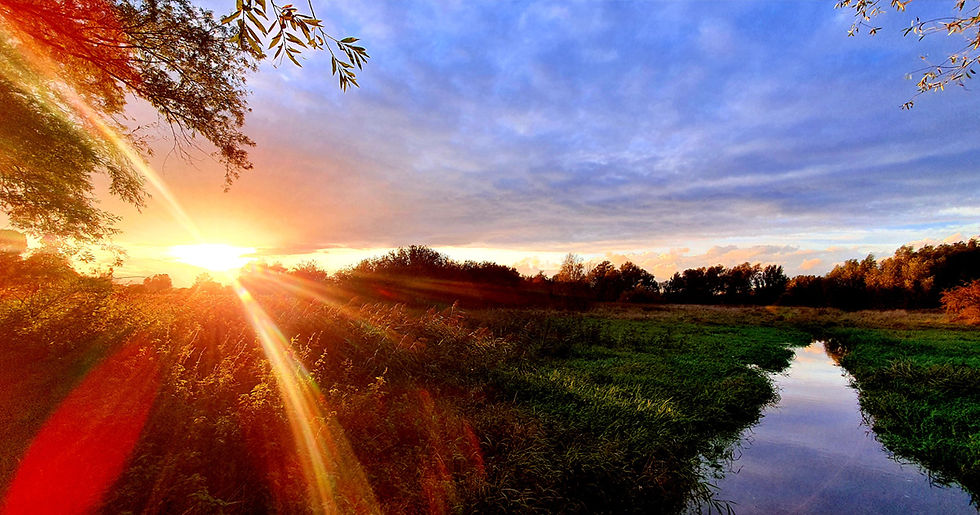
We moved onto it to cut costs and to be closer to nature — something I needed desperately after years of feeling like my soul was fermenting in a cardboard box. We also had two dogs, a limited budget, and a taste for adventure.


Here’s the thing though: boat life sounds romantic, and in many ways it is. But it’s not automatically cheaper. First, you need a boat (obviously). We were lucky — we paid for ours in instalments. But then there’s the mooring fees, marina costs, river licence, boat insurance, electricity, maintenance, emergency repairs, frozen windows, frozen water in the kettle and frozen noses (in the winter) and the joy of emptying your own toilet tank with a smile and a prayer (all year round).
I repeat: romantic.

But for us, it made sense. We couldn’t afford to rent a place and invest in our businesses. (My husband had his own project too — because hey-ho, who needs stability, right?) What we craved was freedom. We wanted to build something that felt alive. And we were willing to trade comfort for adventure.
Living on a boat forced us to think differently about everything: space, money, time, energy, and priorities. There’s no room for clutter — physical or mental. When you’re cold, you fix it (or suffer through it). When the water tank runs out, you fill it. When the business isn’t working, you face it.
It stripped everything back to the essentials — and funnily enough, so did my business.
So if you’re at the beginning of your journey, or in the middle of one that feels like a storm, here’s what I want you to know:
You don’t need the perfect plan. You need a little bravery, a bit of resourcefulness, and a willingness to go where your customers are.
You don’t need a huge team. You need clarity, a sense of purpose, and maybe a dog or two.
You don’t need glossy branding to start. You need something real. Something useful. Something honest.
And maybe… a slightly unreasonable belief that it will all work out in the end.


Comments